
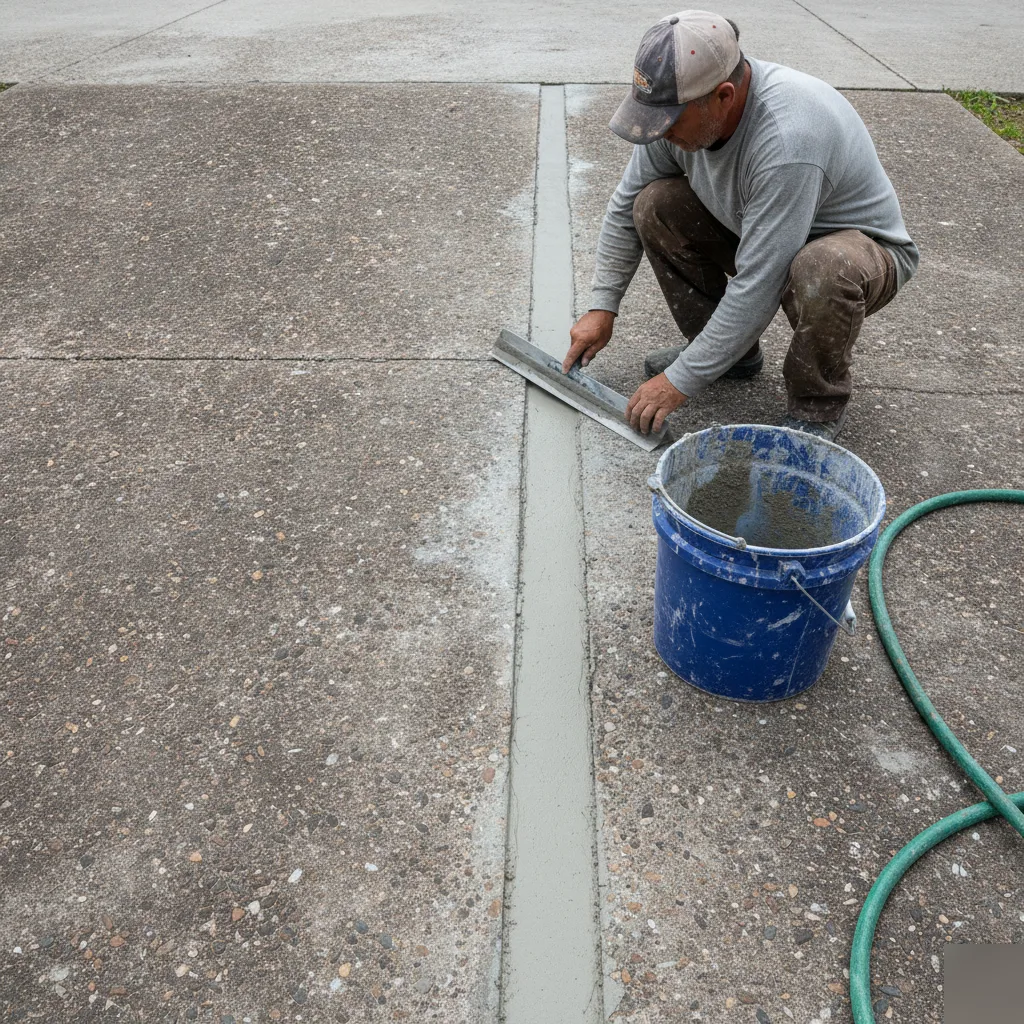
Warning Signs Your Concrete Slab Needs Attention Now
Most folks don't think about their foundation until something feels wrong. A door that used to close fine now sticks every time. A crack shows up in the drywall above a window frame. These aren't just random house quirks. They are your slab trying to tell you something.
We get calls from homeowners all across Azalea Park who describe the same handful of problems. These often stem from the slab shifting, settling, or cracking due to soil movement underneath, often requiring foundation repair Azalea Park FL. Here's what to watch for:
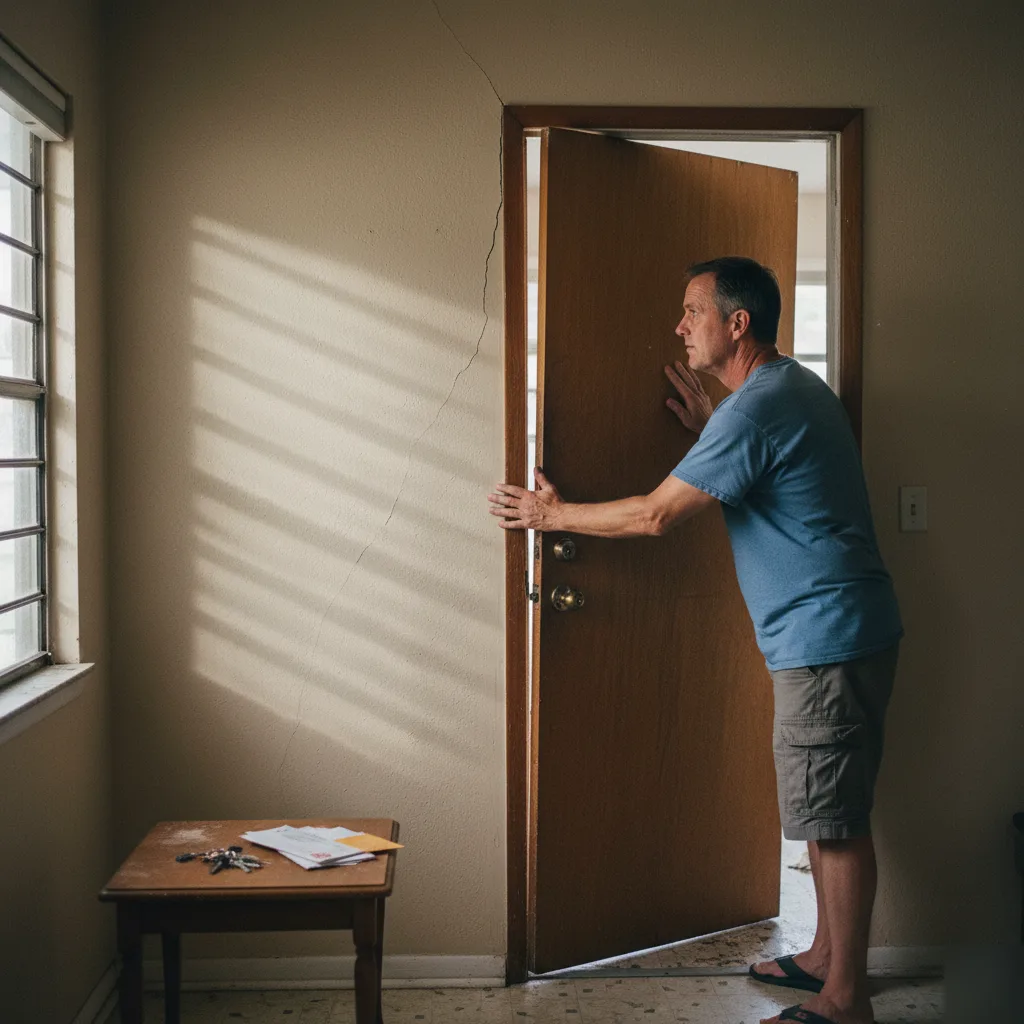
- Cracks running along interior walls, especially near door frames and corners
- Floors that feel uneven or slope in one direction when you walk across a room
- Gaps forming between the wall and the ceiling or between the baseboard and the floor
- Doors and windows that jam, won't latch, or swing open on their own
- Visible cracks in the exterior block or stucco, particularly stair-step patterns
Not sure if what you're seeing is serious? Many homeowners share that concern. Some cracks are cosmetic. But diagonal cracks wider than a quarter inch, or those that keep growing, need a professional assessment right away.
One thing we see regularly near the Lake Underhill Road corridor is tile popping loose from the floor. Homeowners sometimes assume it's a tile adhesive problem, replace the tile, and move on. Six months later, it happens again. The real issue is slab movement underneath, and the tile is just the first sign.
Sandy soils here in Central Florida don't hold moisture evenly. After heavy rain, the ground swells. During dry spells, it shrinks. The American Society of Civil Engineers reports that foundation distress from soil conditions affects roughly 25 percent of all homes in the U.S. That number runs higher in areas with our soil type.
If you're noticing any of these signs in your home, don't delay. For foundation repair in Azalea Park FL, addressing problems early can make the difference between a straightforward concrete slab repair and a much larger project later.
Why Azalea Park Slabs Crack: Soil, Seasons, and Older Construction
Most folks in Azalea Park, FL, don't think about what's under their concrete slab until something goes wrong. Perhaps a door won't latch, or a crack runs across the living room floor, or tile pops loose near the kitchen. These aren't random problems; they are signals from the ground beneath your home.
Central Florida's soil is often the main troublemaker. Here in Orange County, we deal with sandy soil layered over pockets of clay and organic material. That mix doesn't hold steady. During our wet season, the ground swells with moisture. Then the dry months pull that water right back out. As the soil shrinks, your slab settles unevenly. We see this cycle cause damage every year, especially in neighborhoods closer to Lake Underhill Road where the water table sits a little higher.
The Age Factor
Many homes in Azalea Park were built between the 1950s and 1970s. Construction standards were different then. Slabs were thinner, rebar spacing was wider, and soil preparation before pouring was less thorough than today's standards. When you combine aging concrete with Florida's relentless moisture cycles, cracks and settlement are common.
Here's what typically pushes a slab past its limits:
- Soil erosion from poor drainage or broken underground pipes
- Tree roots pulling moisture from the soil near your foundation
- Years of seasonal expansion and contraction wearing down the concrete
- Voids forming beneath the slab as organic material decomposes underground
Settlement issues are not limited to older homes. We've worked on properties near the Orlando Executive Airport corridor that were built in the 2000s with similar problems. Bad soil preparation during construction can show up ten years later.
Understanding why your slab cracked helps us fix it correctly. Knowing the cause tells us exactly which repair method your home needs.
Repair Methods Matched to the Problem
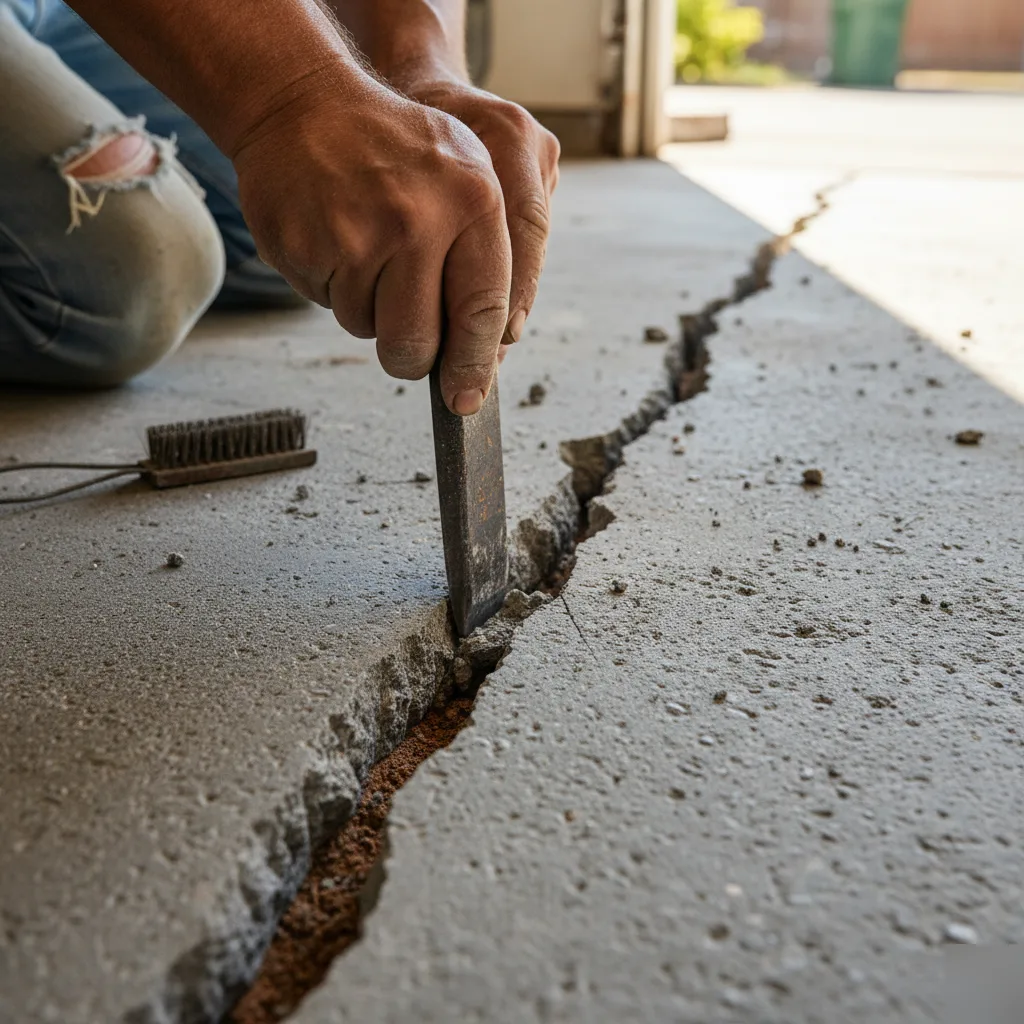
Not every crack needs the same fix. That's something we regularly tell homeowners in Azalea Park. The repair method depends entirely on what's causing the damage, how deep the issue goes, and the specific soil conditions underneath.
We see it every week. Someone assumes their whole slab needs replacement when it's really a void filling job. Or they think a small crack is cosmetic when the slab has actually shifted two inches on one side. The diagnosis always drives the method.
When the Slab Has Settled or Sunk
If your concrete slab has dropped below its original level, slab lifting and leveling can bring it back to grade — and we consider two main approaches depending on severity:
Polyurethane foam injection works when the slab needs to come back up and the soil beneath has washed out or compressed. We drill small holes, inject expanding foam under the slab, and it lifts back into place. This is a quick, clean process with minimal disruption to your home near Lake Underhill Road or anywhere else in the 32807 zip code.
Slab pier installation is needed when settlement is more serious. Steel piers go down through unstable soil until they hit load-bearing strata. Hydraulic pressure then lifts the slab back to level. This approach offers a permanent fix for homes dealing with deep soil problems.
Steel push pier installation supports the heaviest loads. We use these on homes where the structure has shifted enough to affect doors, windows, and interior walls.
Sometimes, it's not the entire slab that is affected. One corner near the garage might drop while the rest looks fine. This is common in Azalea Park, where sandy soils shift unevenly, especially in areas closer to Lake Barton where moisture levels fluctuate.
Voids form under slabs when soil erodes or organic material decomposes. You might not see anything wrong on top. The slab sits on air in these spots. Void filling with polyurethane foam stabilizes the slab to prevent further cracking or dropping.
Wondering which method fits your situation? Give us a call, and we'll walk through it with you.
The wrong repair method wastes money. The right one lasts. We match the fix to the problem to the concrete slab foundation repair holds up long term. The International Association of Certified Home Inspectors reports that foundation movement is one of the most common structural issues in residential homes built on expansive or sandy soils. This aligns with our daily observations here.
What Happens During a Slab Repair Visit
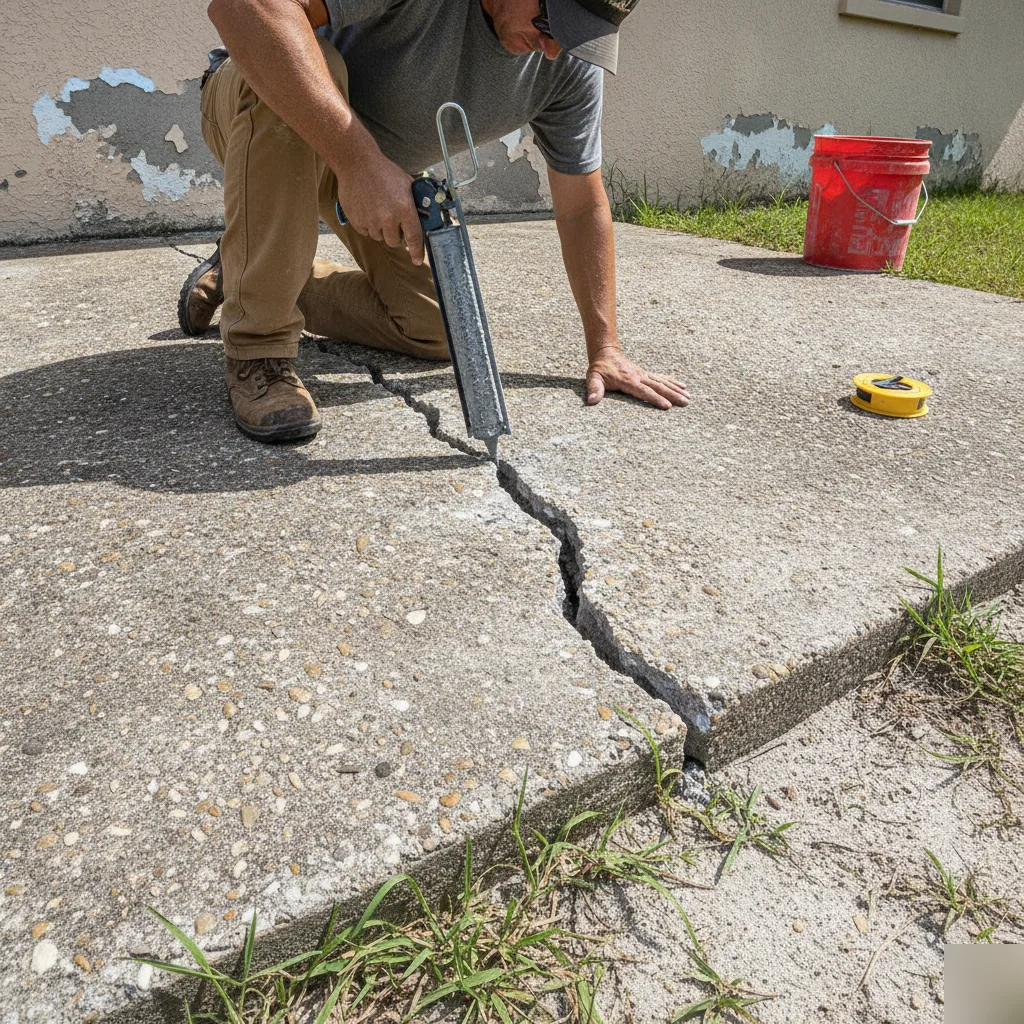
Once our crew has completed the work, many homeowners wonder what comes next. A good concrete slab foundation repair job doesn't just look right on day one; it holds up over months and years. We always walk homeowners through what to observe after we finish, because understanding what "fixed" truly looks like provides peace of mind. In Azalea Park, where sandy soils and seasonal moisture keep shifting, this follow-up is especially important.
Signs the Repair Is Holding
Within the first few weeks, you should notice real changes. Doors that were sticking now closed smoothly. Cracks in your drywall no longer spread. That spot in the hallway where a marble would roll now stays put. These are significant indicators that the slab is stable and has returned to its proper level.
We take elevation readings before and after every job. Those numbers provide a clear picture of how much correction we achieved. We are happy to come back and re-check if anything feels off down the road. This commitment is part of how we operate across the entire 32807 area.
Keeping Your Foundation Stable Long-Term
The repair itself is only half the equation. What happens around your home plays an equally important role in long-term stability. We advise every customer on these key points:
- Keep gutters clean and make sure downspouts direct water at least three feet from the foundation.
- Grade the soil around your home so it slopes away from the slab, not toward it.
- Watch for new plumbing leaks. Even a slow drip under the slab can soften soil near Lake Underhill Road homes, especially where the water table sits high.
- Don't let large tree roots grow unchecked toward the foundation's edge.
- Check for new cracks once a season. A hairline crack isn't cause for panic, but anything wider than a quarter-inch deserves a call.
Homeowners who maintain good drainage often don't need us again. If something does shift, however, catching it early means a smaller fix. We've been doing concrete slab foundation repair in Azalea Park long enough to know that prevention is always better than needing another repair.
See what the repair process looks like for your home — book a free estimate.
Get your free estimate