
Warning Signs Your Pier and Beam Foundation Needs Attention
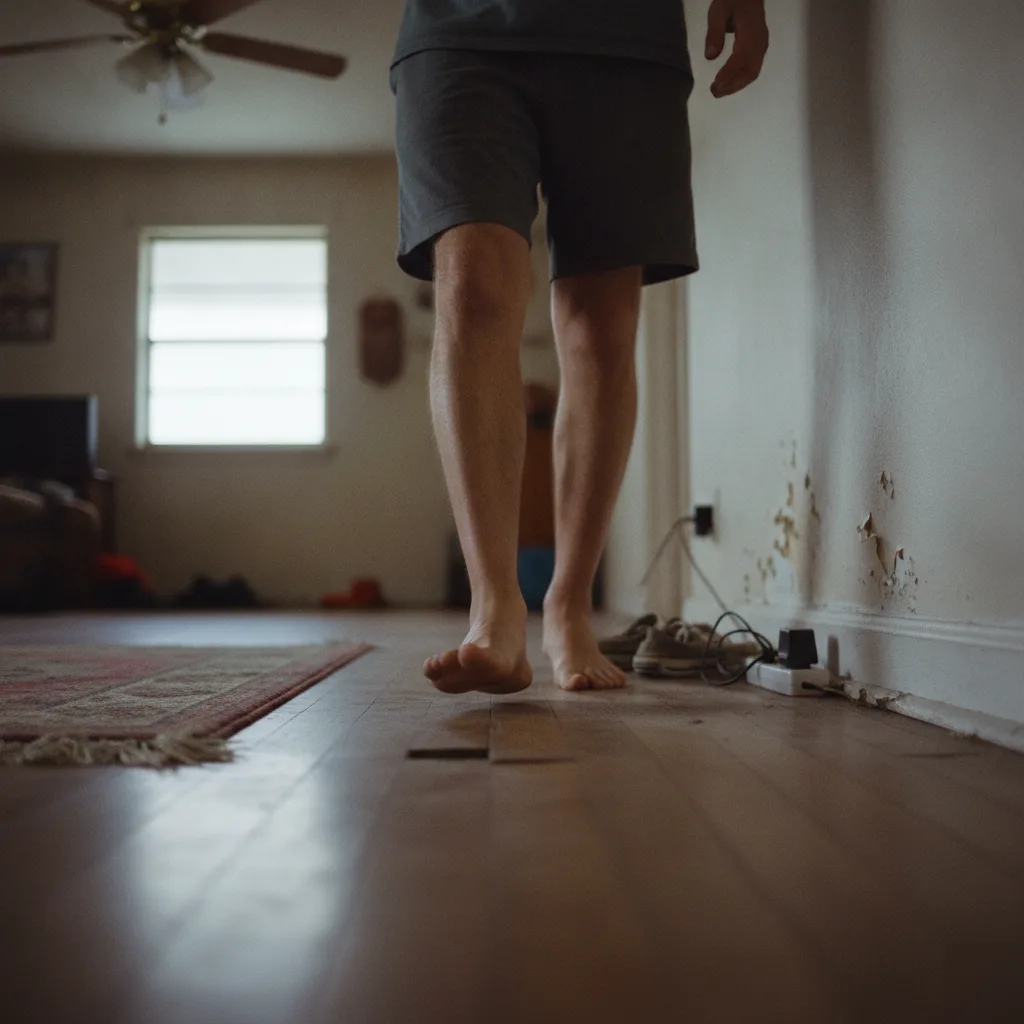
Floors that bounce when you walk across the room. That's one of the first things homeowners near Lake Underhill Road mention to us, sometimes after speaking with a masonry contractor Azalea Park FL. They notice a soft, springy feeling underfoot and aren't sure if it's normal. We can tell you, it's not.
These foundations give you warning signs before things get serious. Knowing what to look for is the trick. We see these problems every week in Azalea Park homes. Many older builds from the 1950s and 1960s sit on original wood supports, and they often show these issues.
Here are the most common red flags we find during inspections:
- Uneven or sloping floors you can feel when walking or notice with a marble
- Doors and windows that stick, jam, or won't latch properly anymore
- Visible cracks in interior drywall, especially above door frames
- A musty smell coming from beneath the house, pointing to moisture damage
- Gaps forming between the baseboards and the floor or wall
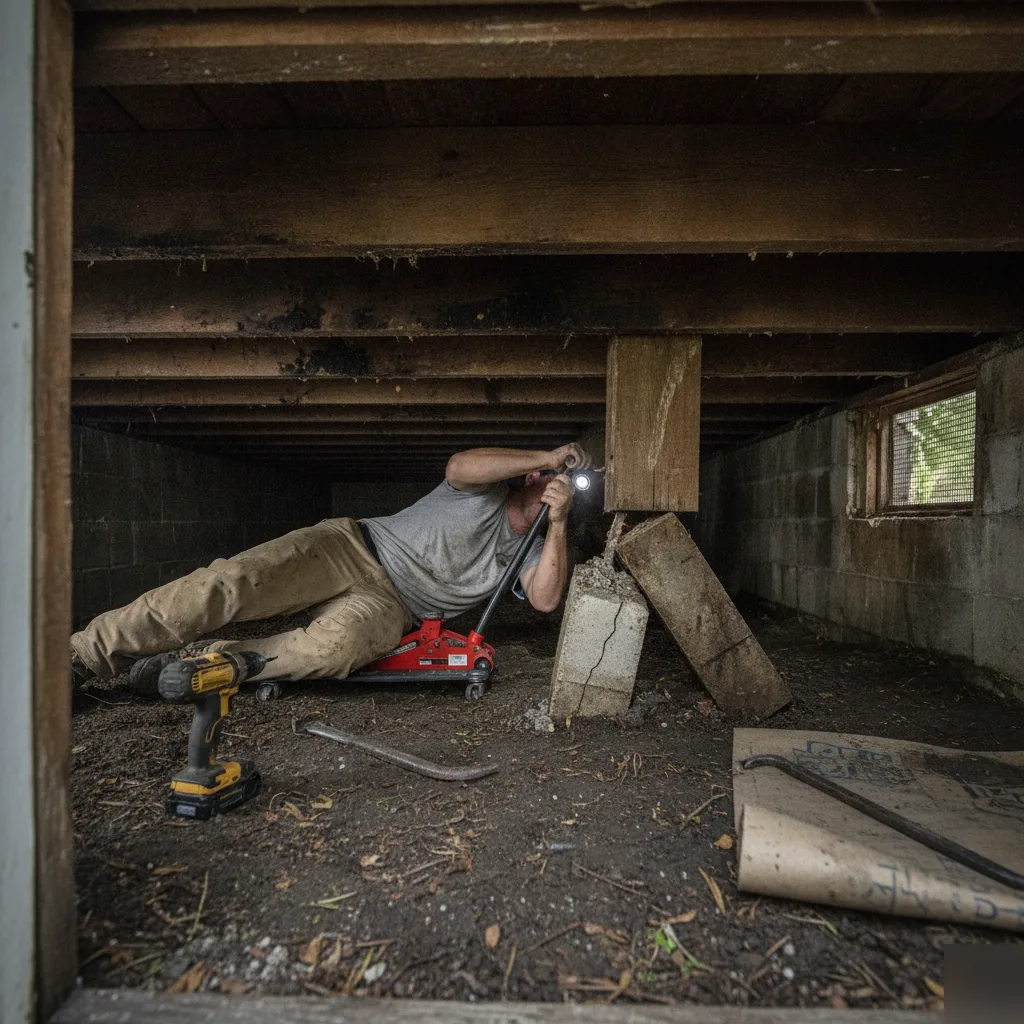
Some of these seem minor. A sticky door doesn't feel like a foundation problem. But when we crawl under the house, we find beams that have shifted or posts that are sinking into soft soil. Azalea Park sits in an area with sandy, moisture-heavy ground. That combination eats away at wood supports over time.
Not sure if what you're seeing is a foundation issue? That's common. Many folks call us thinking they just need a new door hung. Then we check the crawl space and often find rotted sills or cracked concrete pads under the piers.
These signs don't fix themselves. A floor that slopes a quarter inch today can drop a full inch in a year if the soil keeps shifting. The earlier you catch it, the simpler the repair. Waiting can turn a straightforward fix into a much bigger job. It can mean more cost and more disruption to your daily life. If something feels off in your home, trust that instinct.
Why Pier and Beam Foundations Fail in Florida's Climate
Most people don't think about what's happening under their house. Not until a door won't latch or a floor starts bouncing in the middle of the room.
Pier and beam foundations in Azalea Park, FL sit above the ground on a system of wooden or concrete supports. That crawl space underneath is supposed to give you access and airflow. Florida's climate often turns that crawl space into a problem zone. We see it every week. The combination of heat, humidity, and sandy soil wears down these systems faster than most homeowners expect.
Moisture Does the Most Damage
Central Florida's humidity stays brutal from April through October. That moisture gets trapped under your home and soaks into wooden beams and joists. Over time, the wood softens, warps, and eventually rots. Homes near Lake Underhill Road or closer to Lake Barton also deal with higher water tables. After heavy rain, the ground saturates quickly in the 32807 zip code. Standing water under a pier and beam home worsens every problem.
Here's what that moisture leads to:
- Wood rot in floor joists and support beams
- Fungal growth that weakens structural lumber from the inside out
- Rusted or corroded metal hardware at connection points
- Shifting concrete pads that lose grip in soft, wet soil
It's not just the wet season. Florida's dry spells cause the sandy soil around Azalea Park to shrink and pull away from footings. Then the rains come back and the soil expands again. That cycle of shrinking and swelling moves your piers. Even a quarter inch of shift creates noticeable problems upstairs.
Soil and Age Work Together
Many pier and beam homes in this area were built decades ago. The original wooden shims and cedar posts weren't designed to last forever in this environment. The Florida Building Commission notes that soil conditions in Orange County are among the most variable in the state for residential foundations. This means aging materials sit in unstable ground and get hit with moisture year-round. That's why these repairs are so common here. The climate doesn't give these structures a break.
Wondering if your crawl space looks like what we're describing? It's common.
What Pier and Beam Foundation Repair Actually Involves
A lot of folks in Azalea Park picture some massive demolition job when they hear "foundation repair." It's not like that. This type of repair is targeted work. We fix what's failing and leave the rest alone.
Your foundation sits on a system of concrete piers, wooden posts, and beams that hold your home above the ground. That crawl space underneath gives us direct access to every part of the structure. So when something goes wrong, we can get under there and see exactly what's happening.
The Steps We Follow
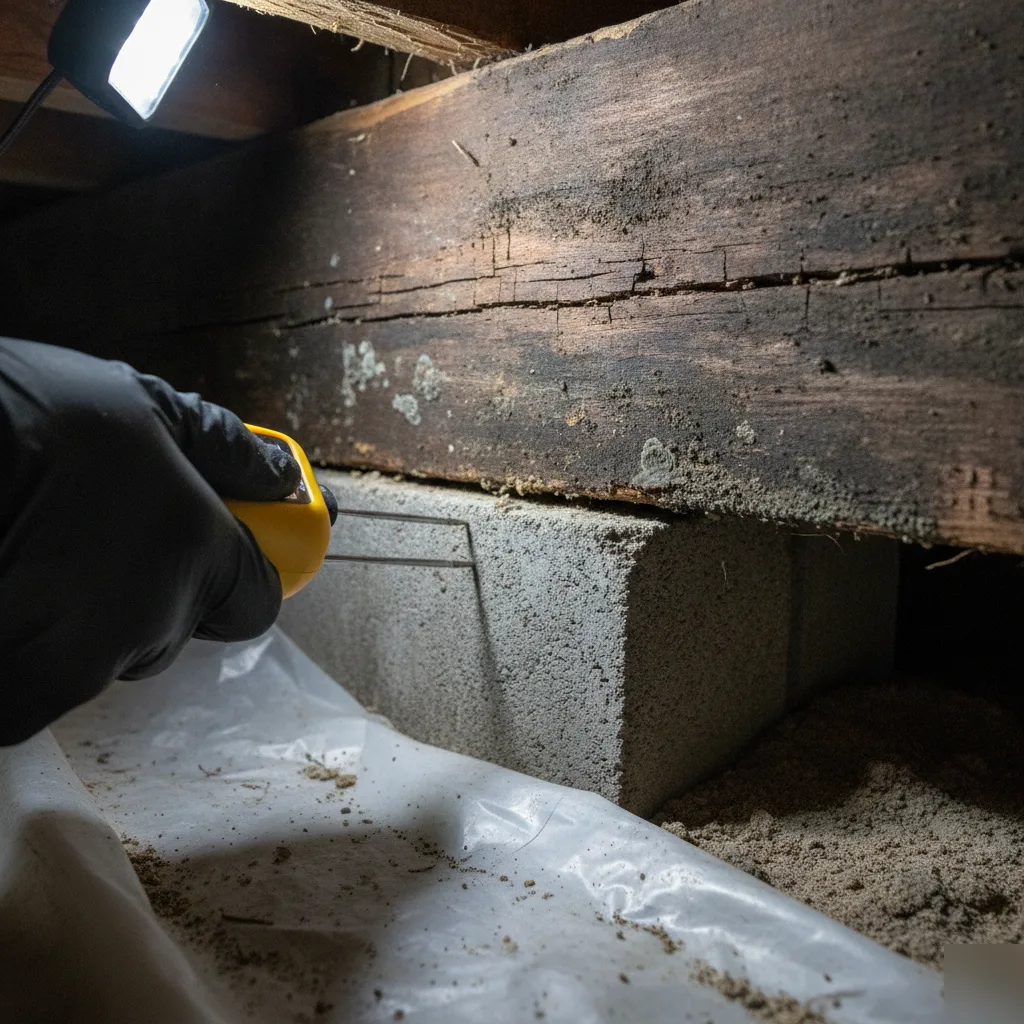
- We inspect the crawl space, checking every pier, beam, joist, and sill plate for damage, rot, or shifting.
- We map out which piers have settled, which beams are sagging, and where moisture damage has done the most harm.
- We replace or reinforce damaged wooden components and reset any piers that have shifted out of position.
- We shim and level the beams until your floors read flat again.
- We verify the repair with laser levels and confirm the structure is sitting where it should be.
The root cause is almost always moisture. Florida's water table sits high, and homes near Lake Underhill Road deal with this constantly. Saturated soil pushes against piers. Wood stays damp, and rot sets in. Before you know it, your floors feel soft or your doors won't latch right.
We also see termite damage hiding inside beams that look fine from the outside. That's why the inspection matters so much. You can't skip it and guess.
Most jobs in Azalea Park wrap up in one to three days. We're not pouring new concrete or excavating your yard. We work in the crawl space with the tools and materials we bring on the truck. Your landscaping stays put, and your driveway stays intact.
Our goal is simple: get your home level, keep it stable, and make sure the fix holds for good.
Crawl Space Moisture Control After Your Foundation Is Repaired
Fixing the beams and piers is only half the job. If moisture keeps building up under your house, you'll end up right back where you started. We tell homeowners in Azalea Park the same thing after we finish the structural work: what you do about moisture next matters just as much as the repair itself.
Central Florida humidity is relentless. Homes near Lake Underhill Road or closer to the Lake Barton area sit on soil that holds water like a sponge, especially after summer storms. That moisture migrates into your crawl space. It soaks into wooden beams and creates the exact conditions that caused your foundation problems in the first place: soft wood, fungal growth, and gradual sagging all over again.
What Moisture Control Actually Looks Like
There's no single fix here. A solid moisture control plan usually involves several things working together:
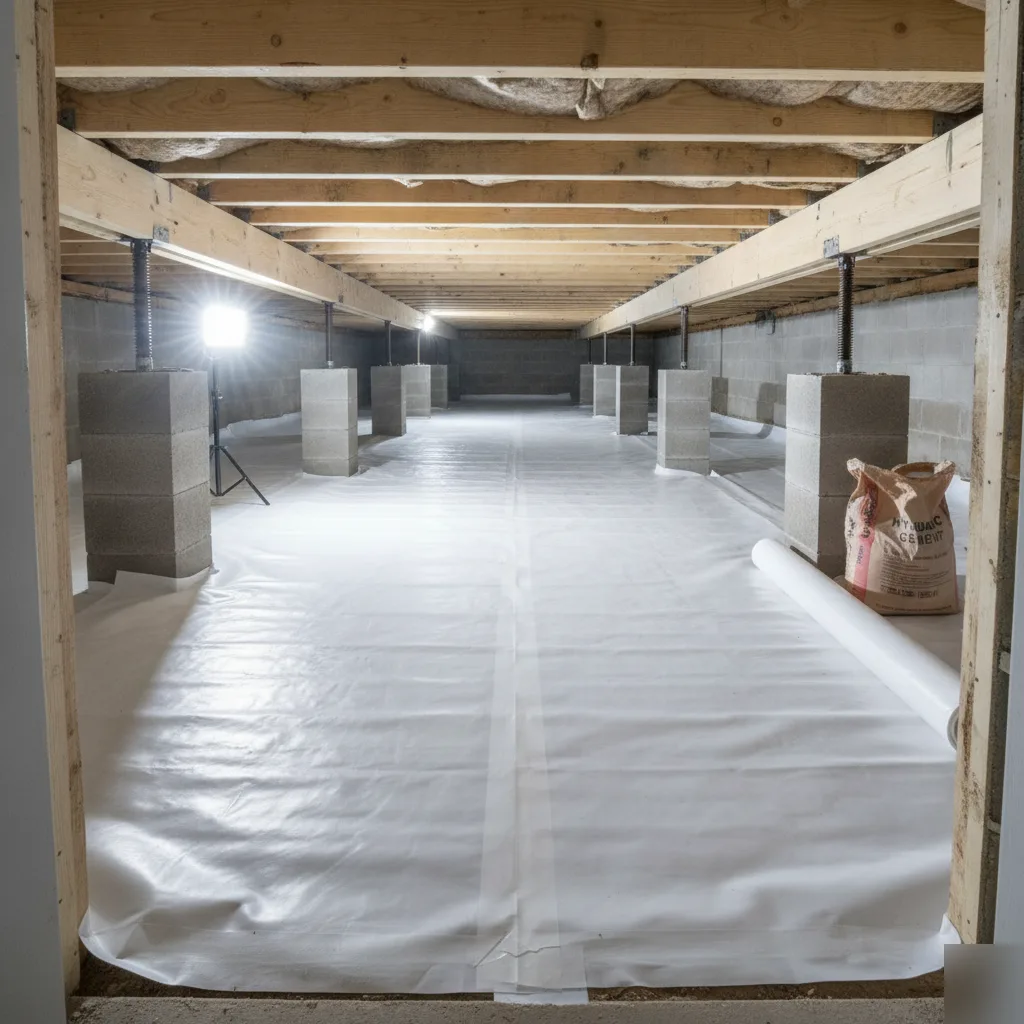
- A vapor barrier across the crawl space floor to block ground moisture from rising
- Proper grading around the perimeter so rainwater drains away from the foundation
- Crawl space vents that actually function and aren't blocked by debris or landscaping
- Gutter downspouts directed well away from the home's footprint
We've crawled under hundreds of homes in the 32807 zip code. The vapor barrier is either missing, torn, or bunched up in a corner doing nothing. That's the easiest win you can get.
Standing water in a crawl space doesn't just threaten wood. It attracts termites. In Azalea Park, subterranean termites are active year-round. A damp crawl space is basically an open invitation.
So after we complete your repair, we walk you through exactly what we found under there. We'll point out drainage issues, show you where moisture is entering, and recommend next steps. Some of it you can handle yourself. Some of it needs a pro. Either way, you'll know what's going on beneath your floors.
Protecting a repaired foundation from moisture isn't optional. It's how you make sure the work lasts. Give us a call if you're not sure where your crawl space stands right now.
Choosing a Licensed Contractor for Foundation Repair in Azalea Park
Not every company that shows up in a search result can actually do this work right. We've been called to fix jobs that other crews walked away from, and most of those problems started with hiring the wrong people.
Florida requires a specific license for foundation work. Ask to see it. Don't just take someone's word. A general contractor license doesn't cover structural repairs to your pier and beam system. You want a company that carries liability insurance and workers' compensation. If a crew member gets hurt under your house and there's no coverage, that falls on you.
Here's what to look for before you sign anything:
- An active Florida foundation repair or general contractor license you can verify online through the DBPR
- Proof of insurance, both liability and workers' compensation
- A written scope of work that describes exactly what they'll do under your home
- A free estimate with no pressure to commit on the spot
- References from homeowners in the 32807 zip code or nearby areas
We've worked on homes all along Lake Underhill Road and in the neighborhoods near the Orlando Executive Airport corridor. The soil conditions change block by block in Azalea Park. Experience in this specific area matters more than you'd think. A contractor from across the state won't know that the sandy loam near Lake Barton behaves differently than the fill dirt used in some of the older subdivisions closer to Semoran Boulevard.
Ask how many pier and beam jobs they've done in the last year. Not foundation jobs in general. Pier and beam specifically. Slab work is a completely different skill set, and you need someone who spends real time in crawl spaces.
Don't skip the estimate visit. Any contractor worth hiring will want to physically inspect your crawl space before quoting a number. If someone gives you a price over the phone without seeing the home, that's a red flag. We always offer a free inspection. There's no honest way to quote this work from a desk. The right contractor earns your trust before they ever pick up a tool.
Catch the problem early — book a free pier and beam crawl space inspection.
Get your free estimate